
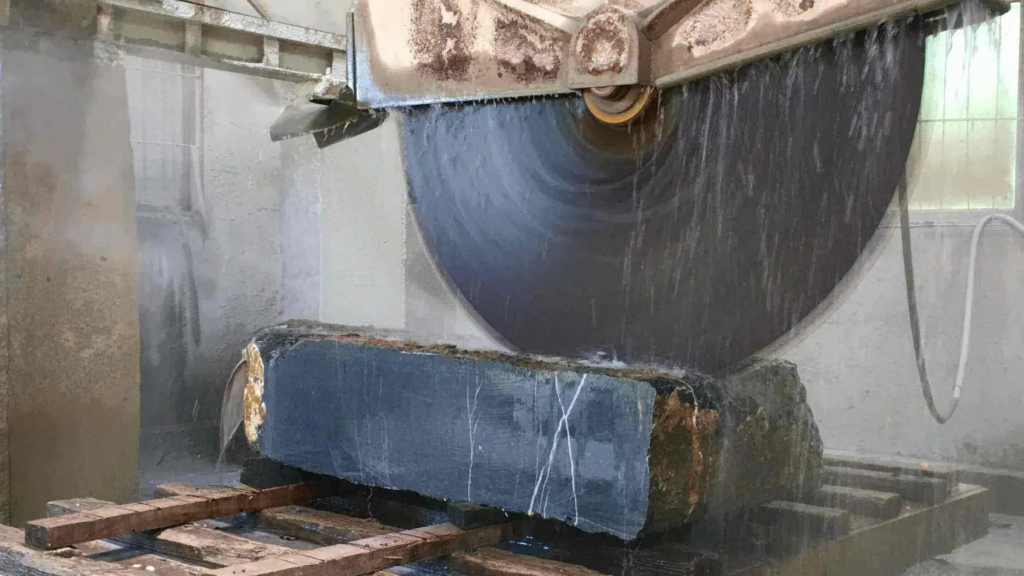
Stone fabrication has become one of the fastest-growing industries in California, supplying countertops, flooring, and custom stone products for homes and businesses. While this work requires skill and craftsmanship, it also exposes workers to one of the most serious—and often overlooked—occupational hazards: respirable crystalline silica dust.
When workers cut, grind, polish, or fabricate materials such as engineered stone, quartz, granite, and other stone products, microscopic silica dust is released into the air. Without proper safety measures, repeated exposure can lead to silicosis, an incurable lung disease, as well as other life-threatening health conditions.
Unfortunately, many workers are unaware of the long-term risks until symptoms become severe. At Kinsler Law, we believe every worker deserves to understand their rights after a workplace injury or occupational illness. Your immigration status does not affect your right to pursue workers’ compensation benefits in California. If you became sick because of silica exposure at work, you may have legal options regardless of your immigration status.
What Is Silica Dust?
Silica is a naturally occurring mineral found in many construction and manufacturing materials, including:
- Engineered stone (quartz countertops)
- Granite
- Sandstone
- Concrete
- Brick
- Tile
- Masonry products
When these materials are cut, drilled, ground, or polished, they release extremely fine particles known as respirable crystalline silica. These particles are so small they can travel deep into the lungs, where they may cause permanent damage over time.
Because silica dust is often invisible to the naked eye, many workers breathe it in without realizing the danger.
Who Is Most at Risk?
Although silica exposure can occur in many industries, stone fabrication workers face some of the highest levels of exposure.
Workers at increased risk include:
- Countertop fabricators
- Stone cutters and polishers
- Construction workers
- Tile installers
- Masonry workers
- Concrete workers
- Demolition crews
- Monument and stone shop employees
Southern California has experienced significant growth in engineered stone fabrication, making silica exposure an increasingly important workplace safety issue.
What Is Silicosis?
Silicosis is a progressive lung disease caused by inhaling silica dust over time.
As silica particles become trapped in the lungs, they cause inflammation and permanent scarring that reduces the lungs’ ability to function properly.
Unfortunately, there is currently no cure for silicosis.
The disease can continue to worsen even after exposure has ended.
Signs and Symptoms of Silicosis
Symptoms often develop slowly, making early diagnosis difficult.
Common symptoms include:
- Persistent cough
- Shortness of breath
- Chest pain
- Fatigue
- Wheezing
- Difficulty exercising
- Unexplained weight loss
As the disease progresses, workers may experience severe breathing problems that interfere with daily activities and the ability to continue working.
If you have worked in stone fabrication or another high-exposure industry and are experiencing these symptoms, seek medical evaluation as soon as possible.
Other Health Risks Associated with Silica Exposure
Silica dust has been linked to several serious medical conditions beyond silicosis.
These include:
- Chronic Obstructive Pulmonary Disease (COPD)
- Lung cancer
- Kidney disease
- Autoimmune disorders
- Tuberculosis
- Chronic respiratory disease
Early detection can improve treatment options and help prevent additional exposure.
What Are Employers Required to Do?
California employers have a legal duty to provide a safe workplace.
When employees work around silica dust, employers should implement appropriate safety measures, including:
- Dust control systems
- Wet cutting methods
- Local exhaust ventilation
- Respiratory protection when required
- Employee training
- Air quality monitoring
- Compliance with Cal/OSHA silica safety standards
Employers who fail to take reasonable steps to reduce silica exposure may place workers at unnecessary risk.
Can You Receive Workers’ Compensation for Silicosis?
Yes.
If you develop silicosis or another occupational illness because of your job, you may qualify for California workers’ compensation benefits.
Depending on your condition, benefits may include:
- Medical treatment
- Pulmonary specialists and ongoing care
- Prescription medications
- Temporary disability benefits
- Permanent disability benefits
- Supplemental job displacement benefits
- Death benefits for surviving family members in fatal cases
Occupational illness claims can be more complex than injuries caused by a single accident because symptoms often develop gradually over months or years.
Your Immigration Status Does Not Affect Your Rights
Many workers exposed to silica dust are immigrants employed in construction, fabrication shops, manufacturing facilities, and countertop production.
Some workers hesitate to report unsafe conditions or file a workers’ compensation claim because they fear immigration consequences.
California law protects injured workers regardless of their immigration status.
Whether you are documented, undocumented, have Temporary Protected Status (TPS), a work permit, or another immigration status, you may still qualify for workers’ compensation benefits if you became ill because of your job.
Your employer cannot legally deny your workers’ compensation claim simply because of your immigration status.
No worker should avoid seeking medical treatment or legal assistance because of fear.
What Should You Do If You Believe You Were Exposed?
If you believe your job exposed you to dangerous levels of silica dust, you should act promptly.
We recommend that you:
- Seek medical attention immediately.
- Tell your doctor about your work history and silica exposure.
- Report your illness to your employer.
- Keep copies of medical records and test results.
- Document your job duties and the materials you worked with.
- Speak with an experienced workers’ compensation attorney.
Occupational disease claims often depend on detailed medical evidence, making early documentation especially important.
How Kinsler Law Can Help
Silicosis and occupational disease claims often involve complex medical issues and disputes with insurance companies.
At Kinsler Law, we help injured workers:
- File workers’ compensation claims
- Appeal denied claims
- Obtain appropriate medical treatment
- Pursue permanent disability benefits
- Protect their legal rights throughout the claims process
We proudly represent workers throughout Oxnard, Ventura, Santa Paula, Camarillo, and communities across Ventura County.
Our firm represents workers from all backgrounds.
Your immigration status does not matter. If you became sick because of your work, you deserve to understand your rights and explore your legal options.
Contact Kinsler Law for a Free Consultation
If you have been diagnosed with silicosis, another respiratory illness, or believe you were exposed to dangerous silica dust while working in stone fabrication, construction, or a related industry, do not wait to learn about your rights.
Kinsler Law offers free consultations by phone or Zoom. We provide services in both English and Spanish, and there are no upfront legal fees. You only pay if we recover benefits or compensation on your behalf.
Contact Kinsler Law today to discuss your case and learn how California’s workers’ compensation laws may protect you—regardless of your immigration status.